When Should You Clear Overgrown Brush in Atlantic County, NJ?
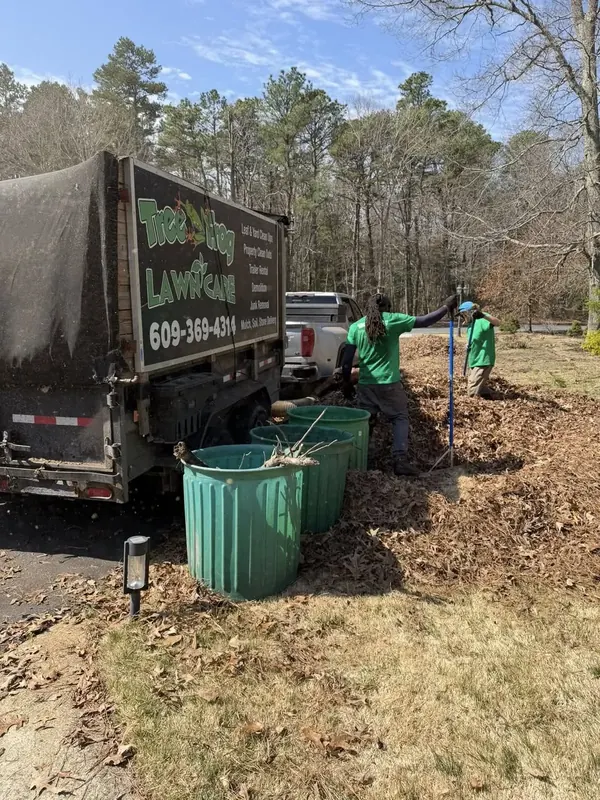
Overgrown brush rarely appears all at once. A few volunteer saplings take hold along a fence, vines disappear into a hedge, storm-damaged limbs collect behind a shed, and the edge of the lawn moves inward a little more each season. On wooded and Pinelands-edge properties around Egg Harbor City, Galloway, and Mays Landing, that change can happen quickly during a warm, wet stretch. By late summer, thick growth can block access, hold leaves and litter, hide drainage trouble, and make routine mowing harder. Clearing it does not mean stripping every natural area bare. A useful cleanup separates healthy plants worth keeping from invasive growth, dead material, dumped debris, and brush that is simply in the wrong place.
When Is the Best Time to Clear Brush in Atlantic County?
Late summer through fall is often a practical window because the season's growth is easy to see, the ground has not frozen, and a cleaned edge can be maintained before spring growth starts again. It is also a good time to remove limbs and debris left by summer thunderstorms before they are buried under autumn leaves. Spring can work when you need access before mowing season, while winter may offer better visibility through dormant growth. The right timing still depends on the site. Saturated ground can be damaged by equipment and foot traffic, active bird nests should be left undisturbed, and any work near a leaning tree, hanging limb, utility line, or unstable structure needs a safer plan than ordinary brush cutting.
What Are the Signs That a Brush Cleanup Is Due?
Start with access and visibility. Brush has become a maintenance problem when you cannot safely walk the property edge, reach a gate or utility area, inspect the base of a fence, or see where the lawn ends. Growth pressing against siding, outdoor equipment, air-conditioning units, or a shed should be evaluated before it traps debris and moisture or blocks service access. A cleanup may also be due when vines are pulling on desirable shrubs, thorny canes reach into play areas, or piles of branches keep growing because there is no simple way to dispose of them. Common priorities include:
- Dead limbs, storm debris, and old yard-waste piles that block mowing or walking routes.
- Volunteer saplings and vines growing through fences, shrubs, or established landscape beds.
- Dense growth covering drainage swales, downspout outlets, culverts, or low areas where water should move.
- Brush narrowing the usable lawn or blocking gates, sheds, meters, utility panels, and other service points.
- Mixed piles of vegetation and junk that need to be separated for safe removal and proper disposal.
Why Does Atlantic County Brush Grow Back So Quickly?
Cutting everything at the surface can make a yard look open for a few weeks without solving the source of the growth. Many vines, woody weeds, and volunteer trees resprout from established roots or stumps. Seeds also move in from nearby woods, birds, wind, and disturbed soil. Atlantic County properties often combine sunny lawn edges with damp low spots and wooded boundaries, so several kinds of unwanted growth can share one small area. The lasting approach is to identify what should stay, remove unwanted plants as completely as practical, and then make the cleared ground easy to inspect and maintain. A sharp edge that can be mowed is less likely to disappear again than an irregular strip that gets skipped every week.
What Should Stay During an Overgrowth Cleanup?
A brush cleanup should begin with a keep list, not a chainsaw. Healthy shade trees, established screening plants, intentional hedges, and useful native vegetation may all belong in the finished yard. Mark them before cutting starts, especially when vines and saplings make the area hard to read. Decide how much privacy you want along neighboring properties and whether a natural buffer is helping stabilize a slope or screen a roadway. Work outward from known features such as fences, bed lines, and mature trunks. When the identity or condition of a large tree is uncertain, pause and get qualified advice rather than treating it like ordinary brush. Clearing selectively usually produces a better-looking property and avoids removing vegetation that would be difficult to replace.
Can Brush Be Hiding a Drainage Problem?
Yes. Thick weeds and vines can conceal low spots, blocked swales, broken edging, buried downspout extensions, and channels where stormwater has been cutting through soil. This matters around Egg Harbor Township, Absecon, Northfield, and other Atlantic County communities that can receive heavy coastal rain in a short period. Removing surface growth makes the grade easier to inspect, but brush removal alone does not correct drainage. Watch the area during the next rain before filling or covering it. Keep soil and debris out of drains, do not redirect runoff onto a neighboring property, and avoid creating a berm where water needs to pass. If standing water remains after the vegetation is gone, address the water path as a separate landscaping issue.
How Should You Plan a Safe DIY Brush Cleanup?
Small, level areas with thin growth can often be handled in stages. First walk the site in daylight and mark fences, wires, irrigation parts, stumps, holes, poison ivy, and anything else that could be hidden at ankle height. Confirm that no active wildlife nest is in the work area. Wear eye protection, gloves, long sleeves, sturdy footwear, and hearing protection when using powered equipment. Cut from the outside toward the center so you always have a clear exit and a place to stack material. Keep brush piles manageable and separate vegetation from metal, concrete, treated lumber, and household junk. Do not assume open burning is allowed; disposal rules vary, so check current municipal and state requirements before burning or placing debris at the curb.
- Stop if a limb is under tension, overhead, or too heavy to control from the ground.
- Stay away from power lines and contact the utility when vegetation is touching or threatening electrical equipment.
- Do not operate cutting equipment on a ladder or where hidden debris can cause a kickback or fall.
- Keep children, pets, vehicles, and bystanders outside the cutting and loading area.
- Plan removal before cutting so the job does not end with a larger, less manageable debris pile.
What Affects the Scope of a Professional Brush Cleanup?
The amount and type of material are only part of the job. Access for people and equipment, slope, wet ground, fences, hidden junk, disposal volume, and the distance from the work area to the truck or trailer all affect the cleanup plan. A narrow side yard in Ocean City presents different access limits than a broad wooded edge outside Egg Harbor City. The work also changes when roots or stumps must be addressed, when desirable plants need careful protection, or when debris is mixed with non-vegetative junk. A site visit lets the crew see those conditions, define what will stay, and explain what can be removed without guessing from a few close-up photos.
How Do You Keep a Cleared Area From Becoming Overgrown Again?
Inspect the area every few weeks during the growing season and pull or cut new growth while it is small. Keep the finished boundary simple enough to mow, trim, or walk. In landscape beds, maintain an appropriate mulch layer without piling material against trunks or stems. Along a natural edge, a defined mowing line makes volunteer growth easier to spot. Avoid leaving fresh brush piles in the same corner, because they hide the soil and make the next cleanup harder. The goal is not constant cutting; it is a property layout where one short maintenance pass prevents another large clearing project.
How Can Tree Frog Help With Brush and Yard Debris Removal?
Tree Frog Lawn & Landscape provides brush, tree, junk, and yard-debris removal from its Egg Harbor City base throughout Atlantic County. We can walk the area with you, mark what should stay, separate the cleanup into practical priorities, and remove the resulting material instead of leaving a pile behind. We also handle lawn maintenance, landscaping, mulch, and core aeration and overseeding when the cleared space needs follow-up care. Our team is licensed and insured. Call (609) 369-4314 or use the quote form for a free estimate within 24 hours.
Related from Tree Frog
Ready to Make Your Yard Look Amazing?
Fill out the 60-second quote form and we'll send you a free, no-pressure estimate within 24 hours.