Should You Wrap Shrubs for Winter in Atlantic County, NJ?
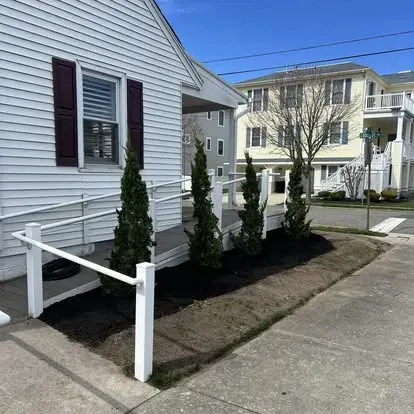
Late November is when winter protection starts appearing around Atlantic County landscapes. Some shrubs get surrounded by burlap, others are tied into narrow bundles, and a few are covered so completely that no foliage remains visible. Protection can be useful, but only when it matches a specific risk. An exposed evergreen near the road has a different problem from a broad shrub under a roof edge, and a new planting in Egg Harbor City needs different attention from an established hedge in a sheltered Northfield yard. Before wrapping anything, identify what could cause damage: drying wind, road spray, sliding snow, branch spread, or repeated piles from shoveling. The best winter setup blocks that risk without trapping the plant inside a dark, wet cover for months.
Does Every Shrub Need to Be Wrapped for Winter?
No. Healthy, established shrubs in protected locations often need no wrap at all. A plant that fits its site, has room for its mature size, and enters winter with adequate soil moisture may handle ordinary cold weather better uncovered. Wrapping without a reason can reduce light, limit air movement, rub branches in the wind, and hide problems until spring. Start with the shrub's location and recent history. A plant that has come through several winters without injury should not be covered only because neighboring properties are doing it. A recently planted evergreen, a shrub exposed to steady wind, or a planting beside a salted road deserves a closer look, but even those situations call for targeted protection rather than a sealed package.
Which Atlantic County Shrubs May Benefit From Protection?
Prioritize plants with limited roots, direct exposure, or branches that repeatedly spread under snow. Shrubs planted this year have not had as much time to extend roots into the surrounding soil. Evergreens continue losing moisture through their foliage during mild and windy winter weather, even when cold soil slows the roots. Open properties around Egg Harbor City and Mays Landing can receive steady wind, while homes closer to the shore may have greater exposure to wind and salt in the air. Roadside plantings in Galloway, Absecon, and Northfield can also receive spray from treated pavement. None of those conditions automatically means the shrub should be fully wrapped. They are reasons to inspect the site and decide whether a wind screen, visible snow marker, light branch support, or a different snow-storage plan would solve the actual problem.
- Newly planted evergreens and shrubs whose root zones still need regular moisture checks.
- Plants at exposed corners, open property edges, or other locations that receive steady winter wind.
- Roadside shrubs and beds below driveways or walks where salty slush and runoff may collect.
- Broad or multi-stem shrubs that have spread or split under heavy wet snow in previous winters.
- Low plantings near roofs, plow routes, or shovel areas where falling or piled snow is the main risk.
What Kind of Winter Damage Are You Trying to Prevent?
Name the risk before choosing the material. Drying wind calls for a screen on the exposed side, not necessarily fabric touching every leaf. Road spray calls for a barrier between the pavement and plant, along with careful deicer use and a better place for shoveled snow. A shrub whose branches open under heavy snow may need loose support that holds the natural shape without squeezing the stems together. A plant directly below a roof edge may need the snow route changed rather than a wrap that still receives the full impact. Protection works when it redirects wind, spray, or weight. It does not repair poor drainage, correct a shrub planted too close to a walkway, or make a weak or damaged branch structurally sound.
Should You Use Burlap, Mesh, or a Wind Screen?
Choose the least restrictive option that addresses the problem. Burlap is commonly used as a breathable wind or spray screen. It works best on stakes around the plant, leaving space between the fabric and foliage. Open mesh can help keep loose branches together or discourage browsing while still allowing air and light through, but it should not cut into stems or remain hidden inside new growth. A simple snow marker may be enough when the real concern is a plow or shovel operator losing sight of the bed edge. Avoid treating one material as the answer for every shrub. A screen placed on the windward or road-facing side may protect the exposed surface while leaving the rest of the plant open, visible, and easy to inspect.
How Should a Burlap Wind Screen Be Installed?
Set sturdy stakes outside the root ball and far enough from the branches that the fabric will not rub against foliage during wind. Place the screen between the plant and the main source of exposure, such as an open northwest side or a road that produces winter spray. Keep the top open and leave enough clearance near the soil for drainage, inspection, and air movement. Fasten the material securely so it cannot flap, collapse onto the shrub, or become loose debris during a storm. Before driving any stake, check for irrigation parts, landscape lighting, shallow roots, and buried utilities. The finished screen should stand on its own. It should not use the shrub's branches as the frame or pull the plant toward one side.
- Place stakes beyond the main branch spread and avoid driving them through the root ball.
- Keep burlap off the foliage so wet fabric does not sit against the plant after rain or snow.
- Leave the top open unless a specific overhead hazard requires a different plan.
- Secure every edge so the material cannot flap, sag, or blow into a walkway or driveway.
- Check the screen after strong wind and snow instead of assuming it will stay in place all season.
Should Shrub Branches Be Tied Before Snow Arrives?
Some upright, multi-stem evergreens can benefit from loose support when their branches regularly spread under wet snow. Use a soft, weather-resistant tie and follow the plant's natural outline instead of forcing it into a tight column. The tie should support the outer branches without cutting the bark, crushing foliage, or pulling stems across one another. Do not wrap wire, thin cord, or string tightly around the plant. Check the support during winter because movement and settling can change the pressure on each stem. If a shrub has already split, contains cracked wood, or needs strong force to pull it together, tying it is not a repair. The damage should be evaluated separately before more snow adds weight.
Can Plastic or a Tight Cover Damage Shrubs?
Yes. Solid plastic can trap heat and moisture on sunny winter days, then cool quickly after sunset. A tight cover can also block light, reduce air movement, bend foliage, and create constant rubbing where the material moves against branches. Plastic is useful as a temporary ground cover or weather barrier in some projects, but it is not a good season-long wrapper for living shrubs. Do not place a bag over a plant and tie it at the trunk. If temporary protection is needed during a short construction or storm event, remove it as soon as the risk has passed and inspect the foliage. For normal winter exposure, breathable material placed as a separate screen is usually more controlled than a cover pressed directly around the plant.
What Should You Do Before Adding Winter Protection?
Prepare the bed first so the wrap does not hide unfinished work. Remove leaves, fallen branches, litter, and thick debris from around the shrub base. Check the soil near recent plantings and water when the root zone is dry and the ground is not frozen. Measure the existing mulch instead of adding another full layer automatically. Keep it loose, level, and away from trunks and stems. Look for downspout discharge, standing water, buried crowns, damaged branches, loose edging, and any route used to shovel or pile snow. A clean, visible bed makes it easier to place stakes safely and to recognize whether the plant needs protection or whether the surrounding landscape needs a different correction.
- Remove heavy leaf mats and mixed debris without stripping away healthy ground cover.
- Water newer plantings when the root zone is dry and the soil remains workable.
- Keep mulch away from stems and confirm the total layer is not burying the plant base.
- Remove only dead, broken, or obstructing growth instead of heavily shaping shrubs in late fall.
- Choose snow-pile and shovel routes before installing screens, stakes, or branch supports.
When Should Winter Protection Go Up and Come Down?
Install protection after the plant has entered dormancy and before repeated winter exposure or snow operations begin. Late fall is a practical time in Atlantic County because the shrub is still visible and the soil is usually workable enough for careful staking. Do not rush to cover a plant during the first cool week if it still has active growth and needs ordinary fall care. During winter, inspect every screen and tie after strong wind, heavy snow, or a thaw. Remove the protection when the main winter risk has passed and before spring growth expands through mesh or against ties. A screen left into warm weather can shade new foliage, hide pests or damage, and become difficult to remove without breaking fresh shoots.
How Should You Check Shrubs After Snow or Ice?
Wait until the area is safe, then inspect from the ground. Brush loose, powdery snow upward and outward with a gloved hand or soft broom only when branches move easily. Do not strike frozen limbs or pull at branches held under hard snow or ice. Heavy ice usually needs to melt on its own because forcing it off can break the wood and buds underneath. Check that burlap remains upright, ties are not cutting into stems, and snow piles are not pressing the screen into the plant. Keep vents, meters, walks, gates, and drainage routes open. If a large branch has split, a tree is leaning, or damage is near a utility line, keep clear and use the appropriate tree or utility professional rather than treating it as routine shrub cleanup.
What Affects the Scope of Winter Shrub Protection?
The number of shrubs is only one factor. Plant age, size, branch structure, exposure, road distance, slope, drainage, bed access, existing damage, and the space available for stakes all change the work. A few young evergreens on an open Egg Harbor City property may need wind screens, while a compact Northfield foundation bed may be sheltered from wind but crowded by walkways and snow-storage routes. Some plants need only cleanup and a moisture check. Others may need loose support, markers, or a change in where snow is piled. A walkthrough helps separate useful winter protection from unnecessary wrapping and identifies drainage, planting, or structural problems that a screen cannot solve.
How Can Tree Frog Help Prepare Shrubs for Winter?
Tree Frog Lawn & Landscape provides landscaping, mulch, lawn maintenance, and tree, brush, junk, and yard-debris removal from its Egg Harbor City base throughout Atlantic County. We can clean beds, clear material from access and drainage areas, correct mulch placement, and help identify which shrubs face real exposure before winter. Our team is licensed and insured. Call (609) 369-4314 or use the quote form for a free estimate within 24 hours.
Related from Tree Frog
Ready to Make Your Yard Look Amazing?
Fill out the 60-second quote form and we'll send you a free, no-pressure estimate within 24 hours.