Should You Prune Shrubs in Fall in Atlantic County, NJ?
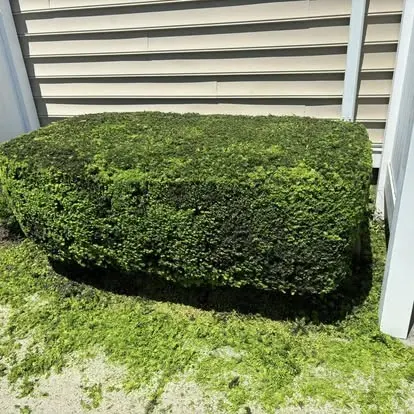
A cool October afternoon can make shrub pruning feel like the obvious next step after mowing and leaf cleanup. The plants are easier to reach, summer growth is visible, and homeowners want the landscape neat before winter. In Atlantic County, though, fall is usually a better time for inspection and selective cleanup than for cutting every shrub into shape. Heavy pruning can remove flower buds that are already set for spring, expose tender inner growth, or encourage a late flush that does not have much time to harden before cold weather. The right approach depends on the plant, the condition of each branch, and the reason for making the cut. Start by separating necessary pruning from work that can safely wait until the shrub's proper season.
Should Most Shrubs Be Heavily Pruned in Fall?
Usually not. A broad fall cut can create two problems at once. First, many spring-flowering shrubs formed next year's flower buds during the current growing season. Cutting those stems in October may leave the plant alive and tidy but with fewer blooms in spring. Second, pruning can stimulate growth while Atlantic County weather is still mild. Soft new shoots produced before a sudden frost are more vulnerable than mature wood. That does not mean every shrub must remain untouched. Dead, broken, rubbing, or clearly damaged branches can be handled selectively, and a small amount of growth blocking a walkway or address marker may need correction. The goal is to solve a specific problem without turning routine fall cleanup into a full renovation prune.
What Shrub Growth Can You Remove Safely in Fall?
Begin with branches that are dead, broken, damaged, or creating an immediate access problem. Dead wood may have no healthy buds, may snap rather than bend, or may show no green tissue when a very small section of bark is carefully scratched. Storm-split branches should be removed back to a sound branch junction instead of cut halfway through the damaged section. Growth rubbing against siding, blocking steps, covering a house number, or narrowing a walkway can be shortened enough to restore safe clearance. Make each cut for a reason and then stop. If the shrub needs more than a few selective cuts to look right, mark it for pruning at the season that matches the plant instead of finishing the whole job in fall.
- Remove dead twigs and branches back to healthy wood or a sound branch junction.
- Cut storm-broken growth that can be reached and controlled safely from the ground.
- Correct branches blocking steps, gates, walkways, house numbers, vents, or service access.
- Remove loose cuttings from the lawn and beds so they do not disappear under fallen leaves.
- Stop when the work changes from selective cleanup to major reshaping or size reduction.
Which Spring-Flowering Shrubs Should Usually Wait?
Shrubs that bloom early in spring often flower on older stems that grew and set buds the year before. Azaleas, rhododendrons, lilacs, forsythia, and many other spring bloomers are common examples. They are usually shaped shortly after flowering, which gives them time to produce the growth that carries the following year's buds. If you shear them in fall, you may cut away those buds before they ever open. You can still remove a dead or storm-damaged branch, but save broad shaping for after the bloom period. Hydrangeas deserve extra care because different types flower on different wood. Identify the variety before cutting instead of assuming every hydrangea follows the same schedule.
Can Evergreen Shrubs Be Trimmed in October?
A few stray shoots can be shortened when they are obstructing access or making an otherwise maintained shrub uneven, but October is not the time for hard shearing or cutting deep into bare interior wood. Many evergreens do not refill quickly from old, leafless stems, and a late trim can leave visible gaps through winter. Boxwood, arborvitae, holly, juniper, and similar plants also need enough foliage to handle cold wind and changing soil moisture. Around open Atlantic County properties and shore communities, winter wind can be as important as temperature. Keep the fall cut light, preserve the natural outline, and wait for the appropriate late-winter or growing-season window if the shrub needs significant reduction.
How Late Is Too Late to Prune in Atlantic County?
There is no single cutoff date that fits every shrub or every year. Egg Harbor City, Galloway, Mays Landing, Northfield, and the shore towns can experience different wind exposure and overnight temperatures during the same week. Instead of pruning by a calendar alone, consider whether the cut is necessary, whether the plant is still actively growing, and whether a cold change is close. Avoid routine shaping just before a forecasted frost or after the plant has started shutting down for winter. Necessary removal of dead or broken material can happen whenever it is safe, but elective thinning and size control can usually wait. For many deciduous shrubs, late winter provides better visibility and less risk of encouraging tender fall growth, while spring bloomers still need to wait until after flowering.
What Pruning Tools and Cuts Protect the Shrub?
Use bypass hand pruners for small live stems, loppers for branches within the tool's rated capacity, and a pruning saw for larger wood that can be controlled safely. Blades should be sharp enough to make a clean cut without crushing or tearing the bark. Cut just outside a healthy branch collar or above an outward-facing bud when shortening a stem. Do not leave long stubs, make a flush cut into the trunk, or cover the wound with household paint. Clean debris from tools and disinfect blades when moving away from material that may be diseased. If the branch is overhead, under tension, near a utility line, or too large to support by hand, stop and use the right professional instead of changing tools or climbing a ladder.
- Match the tool to the branch instead of forcing hand pruners through wood that is too thick.
- Wear gloves, eye protection, sturdy footwear, and long sleeves around thorny growth.
- Keep both feet on stable ground and keep people, pets, and vehicles out of the drop area.
- Place cut branches in a stable pile away from sidewalks, drains, utilities, and road sight lines.
- Leave hanging limbs, split trunks, and branches near wires to qualified tree or utility professionals.
What Should You Do for Shrubs Instead of Heavy Fall Pruning?
Use the fall visit to prepare the bed and learn what each plant needs. Remove leaves and loose debris that are packed against stems, but do not strip away every clean leaf from the entire bed if it is not causing a problem. Check the existing mulch depth before adding more; the finished layer should remain loose and should not be piled against trunks or lower stems. Water recently planted shrubs when the root zone is dry, even after the air turns cool, and watch for roof runoff or standing water around the bed. Photograph shrubs that need spring attention and note which ones bloom early. That simple record prevents an across-the-board pruning day from removing the exact growth you wanted to see flower.
When Does a Shrub Need More Than Routine Trimming?
A shrub needs a larger plan when it has outgrown the available space, blocks a window or utility area, contains extensive dead wood, leans after a storm, or has been repeatedly sheared into a dense outer shell. Cutting the surface harder each year may make the plant smaller for a few weeks without solving crowding at the base. In some cases, staged renewal pruning can restore an overgrown deciduous shrub over more than one season. In others, the plant is simply too large for the location and replacement is more practical than constant reduction. Before major work, identify the shrub, confirm when it flowers, inspect the base and surrounding bed, and decide how much screening or structure the landscape still needs after the cut.
What Affects the Scope of a Fall Shrub Cleanup?
The number of shrubs is only one factor. Plant type, height, branch thickness, access, nearby fences and structures, storm damage, and the volume of material to remove all change the work. A compact Northfield bed with mature shrubs against the house may require more careful handling than an open planting on an Egg Harbor City property. The job also expands when vines, brush, leaves, or junk are mixed through the bed or when the cut material must be carried through a narrow gate. A walkthrough lets the crew separate safe seasonal cleanup from pruning that should wait and from tree work that requires different equipment or expertise.
How Can Tree Frog Help With Fall Shrub and Landscape Cleanup?
Tree Frog Lawn & Landscape provides landscaping, lawn maintenance, mulch, core aeration and overseeding, and tree, brush, junk, and yard-debris removal from its Egg Harbor City base throughout Atlantic County. We can clear damaged ground-level growth, restore access around beds, remove brush and cuttings, and plan routine landscape cleanup without over-pruning plants that should wait for another season. Our team is licensed and insured. Call (609) 369-4314 or use the quote form for a free estimate within 24 hours.
Related from Tree Frog
Ready to Make Your Yard Look Amazing?
Fill out the 60-second quote form and we'll send you a free, no-pressure estimate within 24 hours.