Should You Remove Pine Needles From Your Lawn and Landscape Beds in Atlantic County, NJ?
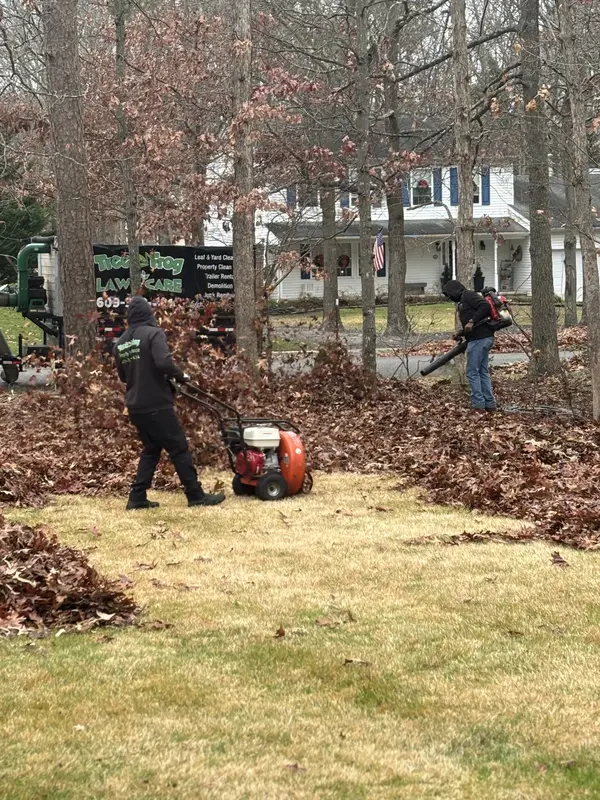
By early November, many properties around Egg Harbor City and the wooded parts of Atlantic County have more than broad leaves on the ground. Pine needles settle into lawns, landscape beds, fence lines, gutters, drainage routes, and the spaces around shrubs. A light scattering is not automatically a problem, and clean needles can even act like a loose natural mulch in the right bed. Trouble starts when they build into a dense layer that hides the grass, packs down after rain, blocks access to the soil, or collects against the house and low plants. The practical answer is selective cleanup: remove needles where they are covering turf, trapping mixed debris, or interfering with drainage, then leave a controlled layer only where it helps an established bed without burying stems or crowns.
Should Pine Needles Stay on an Atlantic County Lawn?
A few needles between visible grass blades usually do not require an emergency cleanup. The lawn becomes vulnerable when the layer is thick enough to shade the turf, hold the blades flat, or keep the surface damp for long periods. Pine needles do not break into small pieces as easily as dry maple leaves, so they can collect in rows after mowing or blowing. On lawns near wooded edges in Egg Harbor City, Galloway, Mays Landing, and Egg Harbor Township, repeated drops can cover the same area several times during fall. Use the grass as the test: if you can still see upright turf and the needles move easily, the layer is manageable. If the lawn disappears beneath a woven mat, remove the excess before winter.
How Can a Thick Needle Layer Affect the Grass?
Dense pine needles reduce the light and air reaching the grass and can hold wet leaves, cones, twigs, and litter against the surface. The combined layer is more concerning than a few clean needles by themselves. Turf beneath it may stay flattened, and newly overseeded areas can be especially easy to bury because the young grass has not formed a strong canopy. A thick mat also makes it harder to see soft soil, mole activity, bare spots, stones, or branches before the next mowing. Do not wait until spring to discover that an entire shaded strip was covered all winter. Lift a section with a rake. If the grass underneath is pale, pressed down, or difficult to expose without pulling up a connected layer, reduce the buildup.
What Should You Check Before Raking or Blowing Pine Needles?
Walk the property before starting equipment. Pine needles can hide acorns, pinecones, sticks, wire, landscape staples, edging, irrigation heads, holes, and low branches. They also collect around tree roots and on slopes where aggressive raking can disturb thin soil. Mark anything that could catch a rake or be struck by a mower. Wait until the lawn is reasonably dry and firm, because repeated foot traffic and loaded wheelbarrows can rut soft ground after a coastal rain. Work from hard surfaces and open lawn toward the heavier wooded edge so the clean area does not have to be crossed with every load.
- Remove sticks, cones, stones, wire, litter, and other hidden debris before mowing or using powered equipment.
- Mark sprinkler heads, shallow roots, drain covers, edging, and low landscape lights before cleanup begins.
- Keep needles out of streets, storm drains, neighboring properties, and areas where they can block sight lines.
- Wait for frost to melt and soft ground to firm before putting repeated traffic across the lawn.
- Separate clean plant material from junk, treated lumber, plastic, metal, and other non-yard waste.
Can Pine Needles Be Left in Landscape Beds?
A loose layer of clean needles can remain in some established beds when it is not burying the plants, blocking water, or piling against structures. Needles can help cover bare soil and slow moisture loss, much like other organic mulch. The key is control. Check the total depth, including old wood mulch and leaves already underneath. Pull the material back from shrub stems, tree trunks, perennial crowns, siding, vents, and door thresholds. Do not treat every bed the same. A broad bed under mature pines can handle a different amount than a narrow foundation planting filled with low perennials. If you cannot see the plant bases or tell how deep the existing mulch is, thin the layer before deciding what should stay.
When Should Pine Needles Be Removed From a Bed?
Remove excess needles when they form a packed mat, bury small plants, cover the root flare of a tree, block a drainage route, or collect against the house. Needles mixed with diseased plant material, trash, heavy leaf piles, or storm debris should also be sorted rather than left as mulch. On a sloped Atlantic County bed, watch whether runoff is carrying the material onto a sidewalk or exposing soil beneath it. In a low bed, lift the needle layer after rain and check for standing water before adding anything else. Fresh mulch should not be spread over an unknown buildup simply to make the bed look uniform. Rake, measure, correct the problem areas, and reuse only the clean material that fits the finished depth.
Do Pine Needles Make the Soil Too Acidic?
Fresh pine needles can be mildly acidic, but a normal surface layer does not instantly turn an entire lawn or landscape bed into strongly acidic soil. The condition of the root-zone soil depends on more than what recently fell on top. If grass or plants are struggling, do not assume the needles are the only cause. Shade, compacted soil, tree-root competition, poor drainage, drought, buried crowns, and an overly deep mulch layer can create similar symptoms. A soil test is more useful than guessing when pH or fertility is a real concern. For routine fall cleanup, focus first on thickness, moisture, plant coverage, and drainage. Those visible conditions determine whether the material is helping as light cover or causing a maintenance problem.
Can You Mow Pine Needles Into the Lawn?
A mower can handle a light, dry scattering when the lawn is firm and the needles are not mixed with cones, branches, stones, or litter. Make one pass and inspect the result. If the needles are chopped and dispersed between visible grass blades, they may be left in place. If they collect in ropes, rows, or dense patches, gather the excess instead of making repeated passes over the same turf. Do not lower the mower to grind through the layer, and do not mow wet needles that are packed against the grass. A cleanup that requires several aggressive passes is no longer simple mulching; it is a removal job that should be handled before the lawn is damaged.
- Mow only a thin, dry layer after all cones, branches, stones, and hidden debris have been removed.
- Keep the normal seasonal cutting height instead of lowering the deck to reach the needles.
- Inspect the lawn after one pass and collect any rows or mats that still cover the grass.
- Avoid sharp turns and repeated traffic on wet turf or recently overseeded areas.
- Use a rake or blower for heavy buildup around roots, fences, beds, drains, and property edges.
How Should Pine Needles Be Cleared Without Damaging the Yard?
Use a flexible leaf rake or controlled blower setting and take shallow passes instead of digging into the soil. Around exposed tree roots, low perennials, fresh seed, and loose mulch, hand work is safer than forcing equipment through the area. Gather material into manageable piles on a firm surface or tarp, then load it without dragging branches and cones across the lawn. Do not pile needles against a tree trunk or leave them in a low corner where the next rain will move them into a drain. Municipal rules for yard-waste pickup and drop-off vary across Atlantic County, so confirm the current requirements for your town before placing material at the curb or transporting it.
Where Does Pine-Needle Buildup Cause the Most Trouble?
Check places where wind and runoff concentrate material: fence lines, driveway edges, foundation corners, downspout outlets, swales, curb openings, steps, low beds, and the downhill side of large pines. Needles on a dry open lawn may stay loose, while the same amount in a shaded corner can combine with wet leaves and form a dense mat. Clear walking surfaces because dry needles can shift underfoot and wet needles can become slippery. Keep outdoor equipment, meters, vents, gates, and service paths accessible. After the cleanup, watch the next rain. If water still ponds or runs toward the house once the needles are gone, the property may have a separate grading or drainage issue that surface cleanup cannot solve.
What Affects the Scope of a Pine-Needle Cleanup?
The number and size of nearby pines matter, but access, slope, moisture, ground cover, bed density, fencing, and the amount of mixed debris can change the job just as much. A small Northfield yard with narrow gates and dense foundation beds may require more careful hand work than an open property outside Egg Harbor City. Cleanup also takes longer when needles are woven through vines, brush, old leaves, landscape fabric, or junk along a wooded edge. A walkthrough helps separate a routine lawn cleanup from bed restoration, brush removal, drainage work, or a larger mixed-debris project. That keeps useful natural cover where it belongs while removing the material that is affecting the lawn or property access.
How Can Tree Frog Help With Pine Needles and Fall Yard Cleanup?
Tree Frog Lawn & Landscape provides lawn maintenance, landscaping, mulch, and tree, brush, junk, and yard-debris removal from its Egg Harbor City base throughout Atlantic County. We can clear heavy needle and leaf buildup from lawns and access routes, sort mixed debris, clean up beds without burying plants, and identify drainage areas that should remain open before winter. Our team is licensed and insured. Call (609) 369-4314 or use the quote form for a free estimate within 24 hours.
Related from Tree Frog
Ready to Make Your Yard Look Amazing?
Fill out the 60-second quote form and we'll send you a free, no-pressure estimate within 24 hours.