Should You Mulch Fallen Leaves Into the Lawn or Remove Them in Atlantic County, NJ?
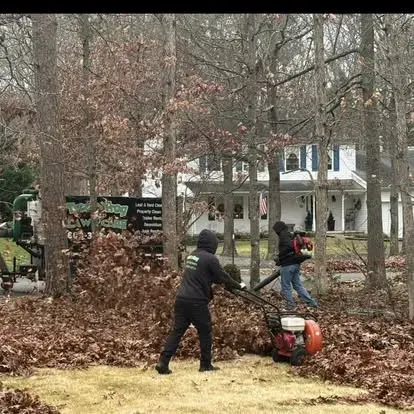
Fall leaf cleanup in Atlantic County is not always an all-or-nothing job. A light layer of dry leaves can often be chopped into small pieces with a mower and left between the grass blades. A deep or wet layer can block light, trap moisture, flatten the turf, and hide sticks or other debris. The right choice depends on how much has fallen, whether the leaves are dry, how visible the grass remains after mowing, and how many more leaves are still on the trees. Properties around Egg Harbor City, Galloway, Mays Landing, Northfield, and the shore communities can also receive wind-driven leaves from neighboring lots, so one cleanup may not finish the season. The practical goal is to keep the lawn visible and breathable without hauling away material that the mower can safely break down.
Can You Leave Fallen Leaves on the Lawn All Winter?
Do not leave a thick, unbroken layer covering the grass through winter. Leaves can settle together after rain, dew, and frost, creating a mat that blocks sunlight and air from reaching the turf. That is especially hard on shaded sections that already dry slowly. A few scattered leaves are not the problem. The warning sign is grass disappearing under the cover or staying pressed flat after the leaves are moved. Atlantic County lawns often keep growing during mild stretches in fall, so heavy leaf cover can interfere with the last weeks of active growth. It can also make the first spring mowing difficult because damp piles hide sticks, acorns, low spots, and uneven ground.
When Can Fallen Leaves Be Mulched Into the Grass?
Mulching works best when the leaves are dry, spread in a thin layer, and easy for the mower to cut into small pieces. After one or two passes, the pieces should fall between the grass blades rather than sit on top as a new blanket. You should still be able to see upright turf across the lawn. This method is useful early in the season when only part of the canopy has dropped or after wind scatters a light layer over an otherwise clean yard. It is less useful when leaves have collected against a fence, filled a low spot, or formed wet piles under mature trees.
- Mulch only when the lawn surface and leaves are dry enough for a clean mower pass.
- Start with a thin, evenly spread layer instead of driving directly into a deep pile.
- Check the result after the first pass. The grass should remain visible and upright.
- Collect excess material if shredded leaves still cover the turf after a second pass.
- Remove sticks, stones, wire, litter, and other hidden debris before mowing.
How Do You Mulch Leaves Without Smothering the Lawn?
Raise or maintain the mower at the normal fall cutting height instead of lowering it to grind through the leaves. Make a first pass to reduce the material, then inspect the surface before deciding whether another pass is needed. If the leaves are gathering in rows, spread them with a blower or rake before mowing again. Avoid removing more than one-third of the grass blade just because the mower is already out. The lawn still needs enough leaf surface to recover before winter. On an overseeded property, use extra care with turns and repeated passes because young grass can be pulled or flattened more easily than established turf.
When Should Fallen Leaves Be Removed Instead?
Removal is the better choice when the mower cannot reduce the leaf layer without burying the grass in fragments. That often happens under mature oaks and maples, along wooded property lines, and in yards where wind pushes leaves into the same corner after every storm. Wet leaves should usually be collected or allowed to dry before mowing because they clump, clog equipment, and spread into heavy rows. Leaves mixed with branches, brush, pinecones, litter, or junk also need to be sorted rather than run over. Use the condition of the lawn as the deciding factor, not a fixed number of bags or a date on the calendar.
- Remove leaves when the grass is no longer visible through the layer.
- Collect wet or matted piles that cannot be spread into a thin, dry layer.
- Clear leaves that contain sticks, storm debris, stones, or household litter.
- Remove buildup from newly seeded areas where young grass needs light and gentle handling.
- Use removal when repeated mowing leaves thick rows of chopped material on the surface.
How Often Should Leaf Cleanup Be Done in Atlantic County?
A staged cleanup is usually easier on the lawn than waiting for every tree to become bare. Leaf drop can stretch across several weeks, and coastal wind can redistribute leaves after a property has been cleaned. Early visits may involve mowing or mulching a light layer. Later visits may require collection once tree cover becomes heavier. After a windy rain, check fence lines, foundation corners, drains, and low areas even if the open lawn still looks clear. A wooded lot outside Egg Harbor City may need several smaller passes, while an open Northfield property may only need attention after a few larger drops. The schedule should follow leaf volume and weather, not a single annual cleanup date.
What Should You Do With Leaves Near Beds, Drains, and Hard Surfaces?
Clear leaves from sidewalks, driveways, steps, curb openings, swales, downspout outlets, and any route where stormwater needs to move. Wet leaves on pavement can become slippery, while piles in drainage paths can redirect water across the lawn or toward a structure. In landscape beds, a light layer of shredded leaves can sometimes remain where it does not bury low plants or hold moisture against stems. Deep piles should be reduced, especially around trunks, siding, vents, and door thresholds. Do not blow leaves into the street, a storm drain, neighboring property, or a wooded edge that you do not own. If you plan to place material at the curb, check the current rules for your Atlantic County municipality first.
Can You Mow Leaves After Rain or Frost?
Wait until the leaves and grass have dried and the ground is firm. Wet leaves fold and clump instead of breaking into small pieces, and they can clog the mower deck or leave heavy piles behind. Soft soil is also easier to rut with mower wheels, especially in low areas after a coastal storm. Frosted grass blades are brittle and can be damaged by traffic before they thaw. A dry afternoon is usually a better cleanup window than a damp morning. If the forecast stays wet, remove the heaviest piles from the turf first and finish mowing or mulching when the surface can handle equipment without leaving tracks.
What Affects the Scope of a Fall Leaf Cleanup?
Property size matters, but tree cover, leaf type, access, moisture, fencing, slopes, and disposal volume often matter more. A small yard under several mature trees can produce more material than a large open lawn. Narrow gates and long carries from the backyard to the truck add handling time. Leaves mixed with brush, limbs, or junk turn a routine lawn cleanup into a sorting and removal job. Timing matters too: a property cleaned before a windy weather system may need another pass once the remaining canopy drops. A walkthrough lets the crew see whether the job calls for mulching, collection, debris removal, or a combination of all three.
How Can Tree Frog Help With Fall Leaf and Yard Cleanup?
Tree Frog Lawn & Landscape provides lawn maintenance, landscaping, mulch, core aeration and overseeding, and tree, brush, junk, and yard-debris removal from its Egg Harbor City base throughout Atlantic County. We can mulch a manageable leaf layer, collect heavier buildup, clear drainage routes, and remove mixed yard debris so the property is ready for winter. Our team is licensed and insured. Call (609) 369-4314 or use the quote form for a free estimate within 24 hours.
Related from Tree Frog
Ready to Make Your Yard Look Amazing?
Fill out the 60-second quote form and we'll send you a free, no-pressure estimate within 24 hours.