Is November Too Late to Overseed a Lawn in Atlantic County, NJ?
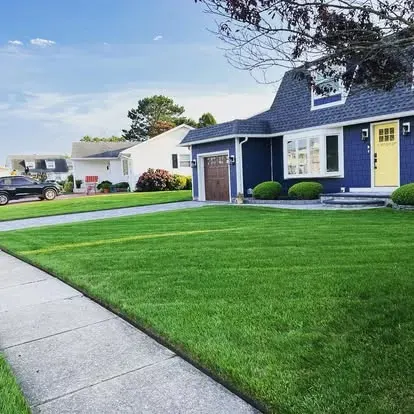
By November, many Atlantic County lawns still have green color even though active growth has slowed. That can make a thin area look ready for one last round of seed. The problem is that appearance alone does not tell you whether new grass has enough time to germinate, develop roots, and handle the first stretch of winter weather. Around Egg Harbor City, Galloway, Egg Harbor Township, Mays Landing, Northfield, and the shore communities, sun exposure, soil moisture, wind, shade, and recent weather can move the practical seeding window from one property to another. In most cases, late summer into early fall is the more dependable time for core aeration and overseeding. Once November arrives, the safer decision is usually to inspect the lawn carefully rather than spreading seed because the grass is still green.
Is November Usually Too Late to Overseed in Atlantic County?
For a full lawn overseeding, November is often later than ideal. Grass seed needs more than one mild afternoon. It needs a workable stretch in which the seed can stay in contact with moist soil, germinate, and produce enough growth to tolerate colder conditions. A sunny lawn near Egg Harbor City may remain warmer than a shaded yard in Galloway, but both are working with shorter days and a greater chance of frost as the month continues. Seeding too late can leave much of the material sitting on the surface, washing into low spots, drying between brief warm periods, or producing seedlings that are too young for the next weather change. If the lawn needs broad repair, planning the next proper window is usually more reliable than forcing the work into late fall.
Why Does Grass Seed Struggle When It Goes Down This Late?
Late-fall seed faces several limits at once. Soil cools more slowly than the air, but it still loses the warmth that supports steady germination. Daylight decreases, established grass grows less, and a wet week can be followed quickly by frost or a cold, drying wind. Seed on sandy Atlantic County soil can lose moisture between waterings, while seed on compacted or low ground may stay too wet after rain. Fallen leaves and pine needles can also cover the surface before seedlings receive enough light. The result is uneven establishment: a few protected patches may emerge while exposed or shaded sections do little. Adding more seed does not correct the timing, drainage, compaction, or surface-cover problem that kept the first application from establishing.
How Can You Tell Whether the Lawn Still Has a Workable Window?
Start with the condition of the lawn and soil instead of the date alone. The ground should be firm enough to walk and operate equipment on without leaving ruts, but not frozen or hard enough to prevent seed-to-soil contact. Look at the forecast as a pattern, not as one warm day. A brief warm spell does not guarantee enough time for germination and early growth. Check sunny and shaded sections separately, because the north side of a home or a lawn under mature trees can stay colder and wetter than the open front yard. If frost is frequent, leaves keep covering the area, or normal watering would create runoff and standing water, the window is probably no longer dependable for a full overseeding.
- Check whether the soil is workable, firm, and able to accept seed without becoming muddy or rutted.
- Look for several weeks of usable conditions rather than relying on one mild November afternoon.
- Compare sunny, shaded, high, and low sections because they may be at different stages of the season.
- Clear enough leaves and pine needles to see the soil surface and identify bare or compacted areas.
- Wait if frost, saturated ground, poor drainage, or repeated debris cover will prevent steady establishment.
Should You Core Aerate if Seeding Conditions Are Already Poor?
Core aeration is most useful when the lawn can take advantage of the openings and the overseeded grass still has time to establish. Aerating saturated soil can tear the surface and leave ruts, while running equipment over frozen or very firm ground may produce shallow, inconsistent cores. If the practical seeding window has closed, aerating simply because the machine is available may create work without delivering the intended lawn repair. Use late fall to identify the compacted areas, thin traffic routes, and spots where water sits after rain. That information makes the next aeration and overseeding plan more accurate. The right timing depends on soil condition and the repair goal, not on completing one more lawn service before winter.
What Should You Do With Bare or Thin Spots Before Winter?
Clean and protect the area without turning it into a rushed seeding project. Remove loose sticks, thick leaf mats, pinecones, junk, and other material that can smother the remaining grass or hide the soil. Keep people, pets, and equipment from repeatedly crossing soft bare ground, especially near gates, sheds, driveways, and common walking routes. Note whether the spot is shaded, compacted, washed by a downspout, or lower than the surrounding lawn. A bare patch caused by traffic needs a different plan from one caused by standing water or dense tree roots. Photographing the area and marking its boundaries now can help you compare it in spring and prepare the correct amount of repair work when conditions improve.
Can Leaves and Pine Needles Interfere With Late Seeding?
Yes. New seed needs direct contact with the soil, and emerging grass needs light and air. A layer of leaves or pine needles can move seed away from the intended area, hold uneven moisture, and cover small seedlings. The problem is especially common along wooded edges and under mature trees, where a clean lawn can be covered again after the next windy day. Do not bury a late seeding under debris and assume it will wait safely for spring. Clear heavy buildup from thin turf, drainage routes, and low areas, then keep the lawn visible through the rest of leaf drop. A light scattering is easier to manage, but a connected mat should be removed before it presses the grass flat for winter.
Should You Spread Extra Seed Just in Case?
More seed is not a substitute for good timing and soil contact. A heavy application can still wash, clump, dry out, or remain buried beneath leaves. It can also make it harder to tell whether the underlying problem was compaction, shade, drainage, traffic, or poor surface preparation. Use seed at the planned rate for the product and lawn area when the site is ready; do not double the amount because the season is late. If you already seeded and little has emerged, avoid repeatedly disturbing the soil to add another layer. Record when the seed went down, keep the surface free of heavy debris, and reassess the area when the next practical repair window arrives.
Is Spring Overseeding a Good Backup Plan?
Spring can be used for targeted repair when a lawn cannot wait until the following fall, but it is a different plan from a full early-fall renovation. New spring grass has less time to establish before Atlantic County heat, weed pressure, and dry periods arrive. Lawn treatments also need to be coordinated because some products intended to prevent weeds can interfere with grass-seed germination. Focus first on the cause of the thin area, prepare the soil when it is workable, and choose a schedule that leaves time for watering and mowing before summer stress. For widespread thinning, planning ahead for the next late-summer or early-fall aeration and overseeding window is often the stronger long-term approach.
- Mark thin and bare areas now so they are easy to find after winter.
- Correct obvious leaf cover, brush, junk, traffic, or drainage problems before adding seed.
- Coordinate spring seed with any planned lawn treatments instead of applying products independently.
- Plan watering access before the seed goes down, especially on sandy or exposed sections.
- Reserve the larger core-aeration and overseeding project for a dependable establishment window.
What Should You Plan Before the Next Overseeding Window?
Map the lawn by condition rather than treating every section the same. Note where grass stays thin in full sun, where shade limits growth, where tires or foot traffic compact the soil, and where water moves after a normal rain. Clear brush and debris that prevent equipment access, and identify sprinkler coverage before the project begins. If the lawn was seeded recently, record the seed type and what care it received. A useful plan also includes leaf timing: wooded Atlantic County properties may need follow-up cleanup so new grass is not buried during establishment. Preparing those details early makes it easier to schedule core aeration and overseeding when the weather and soil are actually ready.
What Affects the Scope of an Overseeding Project?
Square footage is only one factor. Soil compaction, existing grass density, shade, slope, drainage, tree roots, irrigation coverage, access, and the amount of cleanup needed all change the work. A small Northfield lawn under mature trees may require more surface preparation than a larger open property near Egg Harbor City. Areas beside a driveway or gate may be thin because of traffic, while a low backyard may remain sparse because it stays wet. A walkthrough helps separate routine overseeding from problems that need landscaping, brush removal, drainage correction, or a change in how the area is used. Fixing the cause gives the new grass a better chance than simply covering every bare spot with seed.
How Can Tree Frog Help Plan Your Lawn Repair?
Tree Frog Lawn & Landscape provides lawn maintenance, landscaping, mulch, core aeration and overseeding, and tree, brush, junk, and yard-debris removal from its Egg Harbor City base throughout Atlantic County. We can review the visible condition of the lawn, identify cleanup or access work that should happen first, and prepare an estimate for the appropriate lawn-care plan. Our team is licensed and insured. Call (609) 369-4314 or use the quote form for a free estimate within 24 hours.
Related from Tree Frog
Ready to Make Your Yard Look Amazing?
Fill out the 60-second quote form and we'll send you a free, no-pressure estimate within 24 hours.