How Late Should You Keep Mowing in Fall in Atlantic County, NJ?
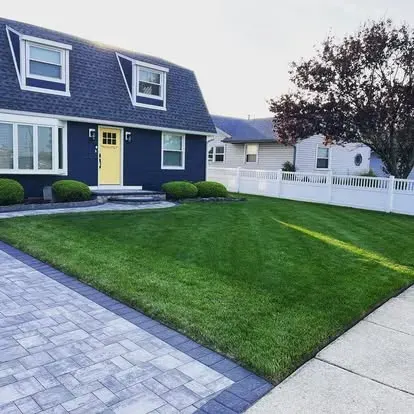
Putting the mower away after Labor Day is usually too early for an Atlantic County lawn. Cool-season grass can keep growing through mild stretches in September, October, and sometimes into November, even when summer heat is gone and the yard needs less frequent cutting. The right stopping point is not a calendar date. It is when the grass has clearly stopped adding height, leaves are no longer smothering the turf, and the lawn is clean enough to enter winter without a heavy mat of clippings or debris. Around Egg Harbor City, Galloway, Egg Harbor Township, and the shore communities, fall weather can shift quickly, so the final few cuts should follow the condition of the property rather than a preset schedule.
When Does Grass Usually Stop Growing in Atlantic County?
Most local lawns contain cool-season grasses that respond well when the air cools after summer. Top growth slows as days shorten and temperatures fall, but it does not stop after the first chilly night. A warm week after an early cold spell can produce another noticeable flush. In a sunny Egg Harbor City yard, the lawn may still need cutting while a shaded property in Absecon has already slowed down. Soil moisture, irrigation, sun exposure, mowing history, and whether the lawn was overseeded also change the timing. Check the actual blade height every week. If the mower would remove a meaningful amount without cutting more than one-third of the blade, the lawn is still growing enough to mow.
How Can You Tell Whether the Lawn Needs Another Cut?
Look across the yard from a low angle instead of judging it from the driveway. Active growth shows up as uneven tips, soft tufts along sunny edges, and grass leaning over walks or bed lines. Walk several parts of the property because a protected backyard may keep growing after an exposed front lawn has slowed. The mower should collect or disperse visible clippings, not simply pass over grass that is already at the target height. These checks are more reliable than mowing every Saturday just because it is still on the schedule:
- Measure the grass in sunny and shaded areas instead of checking only one spot.
- Mow when you can remove growth while leaving at least two-thirds of the blade intact.
- Skip the cut if the lawn is wet, frosted, or soft enough for wheels to leave ruts.
- Make another pass later in fall if mild weather causes fresh growth after the previous cut.
- Stop routine mowing when repeated checks show little or no new height between visits.
Should You Lower the Mower for the Final Fall Cuts?
A gradual adjustment is safer than one very short final cut. Many Atlantic County lawns are kept around three to three-and-a-half inches during summer so the canopy shades the soil. As cooler weather arrives, the mowing height can usually move toward roughly two-and-a-half to three inches over the last few cuts, provided that no pass removes more than one-third of the blade. The goal is to leave the lawn tidy enough that long blades do not fold under leaves or winter moisture, not to scalp it. Cutting down into pale stems or exposed soil weakens the plant, reduces its leaf area, and leaves thin spots open. If the lawn is already short, make the final pass at the same height rather than forcing it lower.
Can You Mow When the Lawn Is Wet or Frosty?
Wait. Fall mornings in Atlantic County often bring dew, coastal moisture, or a light frost even when the afternoon is comfortable. Wet grass bends instead of cutting cleanly, clumps under the mower, and can leave heavy piles that block light and air. Wheels can also compact soft ground or mark low areas after a coastal storm. Frosted blades are brittle and can be damaged by foot traffic and equipment. Let frost melt, give the surface time to dry, and check that the soil is firm before mowing. If rain keeps interrupting the schedule, it is better to use the next dry window than to force a cut that tears the turf or leaves ruts.
How Should Leaves Be Handled While You Are Still Mowing?
A light layer of dry leaves can often be chopped with the mower until the pieces fall between the grass blades. That saves handling and keeps a few scattered leaves from gathering along fences. The test is whether you can still see upright grass after the pass. If shredded material covers the turf, or if the leaves are wet and packed together, collect them instead. Oaks and other trees across wooded parts of Egg Harbor City and Mays Landing may drop in several waves, so one large cleanup at the end of the season can leave grass covered for weeks. Removing or mulching smaller batches as they fall keeps the lawn visible and makes each mowing decision easier.
- Mulch only a thin, dry layer that the mower can break into small pieces in one or two passes.
- Collect wet piles, deep windrows, sticks, and debris before mowing over the area.
- Clear leaves from drains, swales, curb openings, and low spots where stormwater needs to move.
- Do not leave leaf piles against fences, tree trunks, siding, or outdoor equipment all winter.
What If the Lawn Was Aerated and Overseeded This Fall?
New grass changes the schedule. Let seedlings establish before the first cut, and wait until most of the new grass is tall enough to be trimmed without the mower pulling at short roots. Use a sharp blade, mow when the surface is dry, turn gently, and avoid repeated traffic over thin areas. Once the new grass is being cut, continue following the one-third rule rather than letting it become long and then taking off too much at once. Keep leaves from sitting on seedlings because a dense layer can block the light they need. If growth is uneven after core aeration and overseeding, raise the mower for the taller new grass instead of scalping the older turf around it.
What Should You Do During the Last Mow of the Season?
Treat the final mowing as a property check, not just a shorter cut. Walk the yard first and remove branches, toys, hoses, stones, and hidden debris. Mow at the height reached gradually during the previous cuts, then spread or collect clippings so no thick rows remain. Clean up leaves along bed edges and around outdoor equipment, but do not blow them into the street, a drain, or a neighboring property. Finish by checking for soft ground, bare spots, low areas holding water, and brush that has moved into the mowing line. Those notes make it easier to plan spring repairs before the yard disappears under winter weather.
- Use a sharp, clean blade so the last cut does not leave shredded brown tips.
- Change mowing direction when practical to reduce repeated wheel tracks and compaction.
- Remove clumps and heavy leaf cover instead of leaving them on the turf for winter.
- Drain and store hoses, move loose lawn items, and keep gates and service areas accessible.
- Mark drainage trouble, bare areas, and overgrown edges that will need follow-up work.
What Affects the Scope of Fall Lawn Maintenance?
Property size is only one factor. The amount and timing of leaf drop, the number of trees, fenced access, wet areas, slopes, new seed, brush along the perimeter, and the distance to load debris all affect the work. A small Northfield lawn under mature trees may need more visits than a larger open property. Shore-area wind can also move leaves back across a clean yard, while wooded lots can keep dropping after nearby trees are bare. A site visit lets the crew look at mowing height, leaf volume, access, and debris removal together instead of guessing from square footage alone. It also gives the homeowner a clear boundary between routine lawn maintenance and a separate brush or junk-removal project.
How Can Tree Frog Help With Fall Lawn Care?
Tree Frog Lawn & Landscape provides lawn maintenance, landscaping, mulch, core aeration and overseeding, and tree, brush, junk, and yard-debris removal from its Egg Harbor City base throughout Atlantic County. We can adjust the final mowing visits to actual growth, keep leaves and clippings from matting the turf, and identify cleanup work that should be handled before winter. Our team is licensed and insured. Call (609) 369-4314 or use the quote form for a free estimate within 24 hours.
Related from Tree Frog
Ready to Make Your Yard Look Amazing?
Fill out the 60-second quote form and we'll send you a free, no-pressure estimate within 24 hours.