Should You Mulch in Fall or Spring in Atlantic County, NJ?
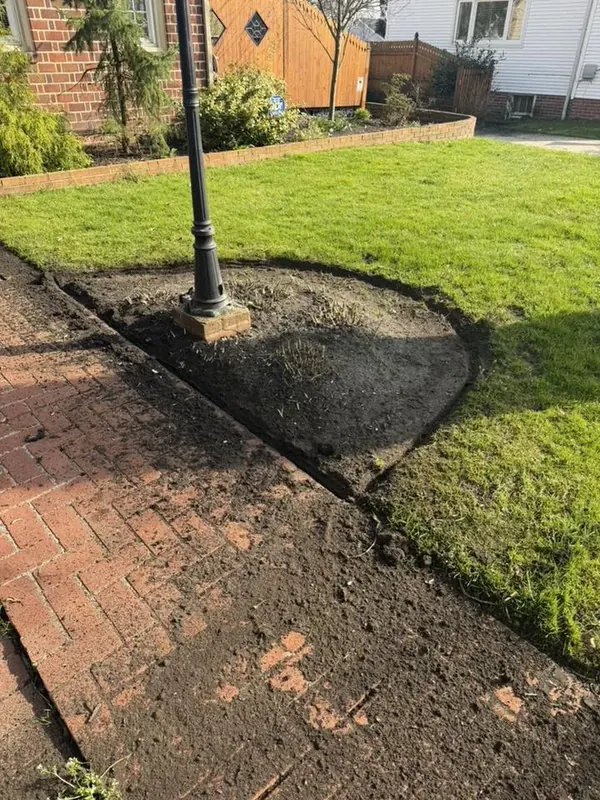
Mulch is not just the finishing touch that makes a landscape look clean. The right layer helps soil hold moisture, limits new weed growth, and protects shallow plant roots from fast temperature changes. The timing matters, though. Around Egg Harbor City and the rest of Atlantic County, spring mulching prepares beds for the growing season while fall mulching helps reset them after summer heat and before winter weather. Neither season is automatically best for every property. The better choice depends on the condition of the existing mulch, the plants in the bed, and what you want the mulch to accomplish.
Is Fall or Spring Better for Mulching in Atlantic County?
Spring is the traditional choice when the goal is a fresh appearance, early weed control, and moisture retention before summer. Fall is useful when beds are thin or bare after a long season, when leaves and debris have already been cleaned out, or when plant roots would benefit from a more even soil temperature going into winter. Atlantic County properties can have sandy, fast-draining soil, exposed shore-area beds, compacted development soil, or a mix of all three. That is why the condition of the bed matters more than the date on the calendar. If the existing layer is still deep and loose, adding more just because it is spring or fall can do more harm than good.
Why Can Fall Mulch Help South Jersey Landscape Beds?
A fall application can replace material that washed, faded, or broke down through summer. It also gives you a chance to weed, redefine the bed edge, and clear leaves before the ground gets cold. A proper mulch layer slows moisture loss on dry, windy days and reduces the repeated freezing and thawing that can move soil around shallow roots. This can be especially helpful in open yards around Galloway, Egg Harbor Township, Absecon, and the shore communities where beds receive steady wind. Mulch does not make a plant winter-proof, and it cannot correct poor drainage, but it can create a more stable root-zone environment when it is installed correctly.
When Is Spring Mulching the Better Choice?
Choose spring when your beds need cleanup after winter, you want to get ahead of warm-season weeds, or you want the color to look fresh during the busiest outdoor months. Wait until the soil has started warming and is not waterlogged. Mulching very early over cold, saturated soil can slow drying and make it harder to spot drainage trouble. Spring is also a good time to look for winter damage, trim dead plant material, and decide whether a bed needs reshaping before new growth fills it in. If you already plan a major planting or landscape change, complete that work first so the new mulch is not mixed with excavated soil or trampled during installation.
How Deep Should Mulch Be Around Trees and Shrubs?
Most established landscape beds need a total mulch depth of roughly two to three inches, including anything already on the ground. More is not better. A thick, packed layer can keep water from reaching the soil, hold too much moisture against stems, and reduce air movement around roots. Pull mulch back a few inches from shrub stems and leave the root flare visible at the base of every tree. Never pile it into a mulch volcano against the trunk. Keep it below siding and away from vents, door thresholds, and other parts of the house where trapped moisture or hidden pest activity would be difficult to see.
Should You Remove the Old Mulch Before Adding More?
Not always. Start by raking the old layer to see how much usable material remains. If it is loose, clean, and already close to the correct depth, it may only need to be turned and evened out. Add a light top layer only where coverage is thin. Remove excess material if years of repeated applications have built the bed above the surrounding lawn, buried the tree flare, or pushed mulch against the house. Matted material should be broken up so water can pass through it. Clearing the bed first also exposes low spots, buried edging, and drainage channels that would otherwise disappear under another load.
What Should You Do Before New Mulch Goes Down?
The preparation determines whether a mulched bed stays neat or becomes a maintenance problem. Mulch slows new weeds, but it does not reliably smother established weeds, vines, or brush. Those should be removed at the roots where practical. The bed should also be checked for downspout runoff and standing water because covering a wet spot will not fix it. Before material is spread, take these steps:
- Remove leaves, sticks, litter, and existing weeds from the entire bed.
- Cut a clean edge that separates mulch from lawn without burying grass along the border.
- Rake and measure the old mulch so the finished depth stays near two to three inches.
- Expose tree root flares and leave clear space around trunks, stems, siding, and vents.
- Resolve obvious washouts or standing-water areas before hiding them with new material.
Which Mulch Works Best for Your Property?
The best material depends on the bed, not just the color. Shredded wood mulch knits together well on many ordinary residential beds and breaks down gradually into organic matter. Coarser pieces can last longer but may move more easily on a steep edge or during heavy runoff. Color should complement the house and plantings, but drainage, slope, existing depth, and the size of the bed should guide the decision first. Whatever style you choose, consistent depth and careful placement matter more to plant health than making the layer as thick as possible.
How Can Tree Frog Help With Mulch Installation?
Tree Frog Lawn & Landscape handles bed cleanup, edging, mulch installation, and ongoing landscape maintenance from its Egg Harbor City base throughout Atlantic County. We can look at the current depth, identify areas that need cleanup before covering, and give you a clear plan for a spring refresh or fall reset. Our team is licensed and insured, and estimates are free. Fill out the quote form or call (609) 369-4314 to request an estimate within 24 hours.
Related from Tree Frog
Ready to Make Your Yard Look Amazing?
Fill out the 60-second quote form and we'll send you a free, no-pressure estimate within 24 hours.