How Should You Clean Up Your Yard After a Fall Storm in Atlantic County, NJ?
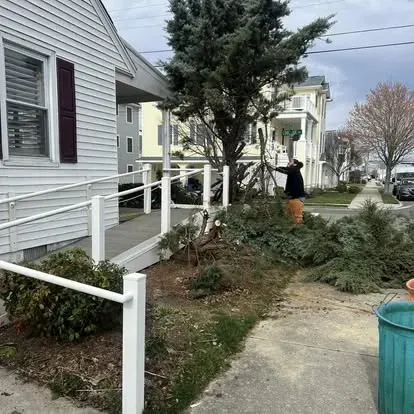
A windy fall weather system can leave an Atlantic County yard with more than a few scattered leaves. Branches may land across the lawn, evergreen limbs can block a walkway, wet leaf piles can cover drains, and loose items may move into places where they are hard to see. Around Egg Harbor City, Galloway, Egg Harbor Township, Mays Landing, and the shore communities, wind exposure, mature trees, sandy soil, and low drainage areas can make two nearby properties look completely different after the same storm. The safest cleanup starts with hazards, then access, then drainage, and finally the appearance of the yard. Working in that order keeps people away from unstable material and reduces the chance of damaging wet turf while trying to make the property look finished too quickly.
What Should You Check Before Starting a Storm Cleanup?
Walk the property from a safe distance before picking anything up. Look above you as well as at the ground. A branch hanging in a canopy, a split trunk, a leaning tree, or vegetation touching a utility line is not ordinary yard debris. Keep people and pets away from that area and contact the utility or an appropriate tree professional instead of trying to pull the material down. Check for damaged fencing, sharp metal, broken glass, loose siding, and standing water that may hide holes or debris. If a branch is resting on a roof, vehicle, shed, wire, or another branch, do not assume it will stay in place while you cut or move the lower end. Establish a clear work zone first, then begin with material that is already on the ground and can be handled without climbing or working under tension.
- Keep everyone away from downed wires, hanging limbs, split trunks, and leaning trees.
- Check driveways, steps, gates, sidewalks, and exits before opening the area to foot traffic.
- Wear gloves, eye protection, sturdy footwear, and clothing that covers exposed skin.
- Mark holes, stumps, edging, irrigation parts, and other trip hazards hidden by leaves or debris.
- Photograph property damage before moving material if you may need a record of what happened.
Which Fallen Branches Can You Safely Handle Yourself?
Small branches lying flat on open ground can often be gathered by hand, cut into manageable sections with the correct hand tool, and stacked for removal. Stop when the material is too heavy to control, springs when moved, is pinned beneath another limb, or requires a ladder or chainsaw work above shoulder height. Wood under tension can release suddenly, and a root plate or partially attached branch can shift after the first cut. Do not work alone around material that could roll, swing, or trap a hand or foot. Separate light brush from larger tree sections as you go so the pile remains stable and the removal plan is clear. If you cannot identify why a limb is being held in place, leave it alone rather than testing it with another cut.
How Should You Sort Branches, Leaves, and Storm Debris?
Make separate piles for clean vegetation, leaves, ordinary yard debris, and non-vegetative junk. Mixing wire, plastic, lumber, metal, glass, or household trash into a brush pile makes loading and disposal slower and less safe. Keep piles away from the road, storm drains, fire hydrants, utility equipment, mailboxes, and sight lines at the end of the driveway. Do not push material into a wooded edge or onto neighboring property just because it came from that direction. Municipal curbside and drop-off rules can vary across Atlantic County, so check the current requirements for your town before placing branches or bagged leaves at the curb. If the volume is too large for local collection or the debris is mixed, plan the removal before making one oversized pile that blocks the yard.
- Stack branches with cut ends facing the same direction so they are easier to load safely.
- Keep leaves and soft yard waste separate from wood, junk, metal, and construction material.
- Use smaller piles that do not block sidewalks, driveways, drainage routes, or street visibility.
- Secure lightweight bags and loose material so the next gust does not spread them again.
- Confirm current municipal rules before burning, curb placement, or transporting debris.
How Can You Protect a Wet Lawn During Debris Removal?
Wait for saturated ground to firm up whenever the material can safely remain in place. Repeated wheelbarrow trips, mower traffic, and truck or trailer tires can press ruts into soft Atlantic County soil and tear grass that is already stressed by standing water. Start at the driveway or another firm surface and work outward so every trip has a clear route. Carry small branches instead of dragging them across the turf, where broken ends can rake through grass and new seed. A tarp can help move leaves and light brush, but keep each load small enough to control. On a lawn that was aerated and overseeded earlier in fall, avoid sharp turns and repeated walking over the same young grass. Cleanup should remove the storm damage without creating a second repair job underneath it.
Where Should You Look for Drainage Problems After Heavy Rain?
Clear the routes that water is supposed to use before focusing on decorative bed cleanup. Check downspout outlets, swales, curb openings, driveway edges, culverts, low lawn areas, and any drain or grate on the property. Wet leaves, pine needles, mulch, and small twigs can form a tight mat that redirects water toward a walkway, foundation, or neighboring area. Remove surface debris by hand or with a rake from stable ground; do not reach into moving water or a drain you cannot see into. Once the route is open, watch what happens during the next normal rain. If water still stands or cuts a channel through the yard, the problem may involve grading or another drainage issue rather than leftover debris. Do not hide that evidence under new soil or mulch until the water path is understood.
What Should You Do With Wet Leaves and Pine Needles?
Wet leaves and pine needles become heavy, slippery, and difficult for a mower to process. Remove thick mats from grass, steps, decks, driveways, newly seeded areas, and the base of fences or outdoor equipment. Spread manageable material in a thin layer to dry before bagging or mulching it, if space and weather allow. Do not mow over a pile that may contain sticks, stones, wire, or storm-blown litter. On landscape beds, a light layer of clean organic material may be harmless, but deep wet piles can bury low plants and hold moisture against stems, siding, vents, and wood trim. The test is simple: if the material hides the surface, blocks access, or stays packed together after you lift it, reduce or remove it instead of leaving it through winter.
How Do You Know Whether a Damaged Tree Needs Professional Attention?
Treat a tree as more than routine debris when the trunk has split, the soil has lifted around the roots, the canopy has shifted noticeably, a major limb is partly attached, or the tree now leans toward a house, road, play area, or utility line. A tree can remain standing and still have damage that is difficult to judge from the ground. Do not climb it, pull it with a vehicle, or make a cut that could change how the remaining weight is supported. Keep the area clear and have the condition evaluated by someone equipped for that level of work. Smaller broken limbs and brush can be handled as part of a yard cleanup only after overhead and structural hazards have been ruled out. Safety takes priority over opening the whole yard in one afternoon.
What Affects the Scope of a Fall Storm Yard Cleanup?
The size of the property matters, but debris type, access, ground conditions, and disposal volume often matter more. A compact Northfield yard with a narrow gate and one large fallen evergreen limb may require more handling than an open Egg Harbor City property with scattered sticks. Fences, slopes, soft soil, overhead hazards, long carries to the truck, and debris mixed with household junk all change the work. Timing matters too. It may be safer to clear a walkway immediately but wait for the lawn to dry before moving the remaining piles. A walkthrough allows the cleanup to be divided into urgent hazards, access and drainage work, routine brush removal, and optional landscape repairs instead of treating every storm as the same package.
How Can Tree Frog Help After a Fall Storm?
Tree Frog Lawn & Landscape provides tree, brush, junk, and yard-debris removal from its Egg Harbor City base throughout Atlantic County. We can clear fallen material from lawns and access routes, separate mixed debris, remove manageable branches and brush, and identify areas that need a different level of tree or utility attention before work continues. We also provide lawn maintenance, landscaping, mulch, and core aeration and overseeding when the property needs follow-up care after cleanup. Our team is licensed and insured. Call (609) 369-4314 or use the quote form for a free estimate within 24 hours.
Related from Tree Frog
Ready to Make Your Yard Look Amazing?
Fill out the 60-second quote form and we'll send you a free, no-pressure estimate within 24 hours.