Is Fall a Good Time to Plant Shrubs in Atlantic County, NJ?
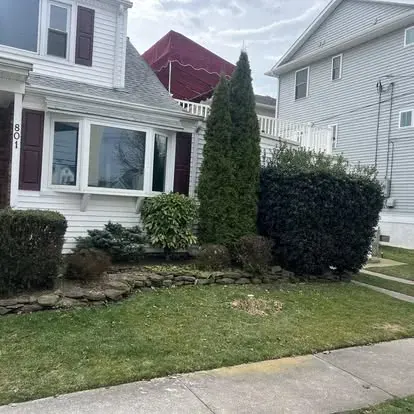
Fall can be a practical time to add shrubs around an Atlantic County home. The cooler air is easier on plants than midsummer heat, while the soil may stay warm enough for roots to settle in after top growth slows. That does not mean every shrub belongs in every yard or that anything planted before winter will succeed. A bed in sandy soil near Egg Harbor City behaves differently from a low, wet area in Galloway or a windy site closer to the shore. Good fall planting starts with the site, then the plant, then the forecast. If those three pieces fit, you can improve a bed without making the new shrubs face their first few weeks in July heat.
Why Can Fall Be a Good Time to Plant Shrubs?
Shrubs lose less water through their leaves when days are cooler and the sun is less intense. At the same time, the root zone can remain workable well after the hottest part of the season has passed. That combination gives a new planting time to start adjusting before winter. Fall rain may help, but it does not replace regular moisture checks. Atlantic County can still have dry, windy stretches in September and October, especially on open properties. The advantage comes from lower plant stress, not from being able to ignore the shrub after it goes into the ground. A healthy root ball, correct depth, and consistent watering still determine whether the planting gets a useful start.
How Late Can You Plant Shrubs in Atlantic County?
Earlier is safer because every extra week gives roots more time before the ground becomes cold. September and early fall often provide a better window than waiting until winter weather is close, but the calendar alone cannot make the decision. Check the plant, soil, and forecast. The root ball should be healthy, the ground should be workable rather than frozen or waterlogged, and there should be enough time to water and monitor the shrub after planting. Evergreens deserve extra caution because their foliage can keep losing moisture during cold, windy weather. If a late delivery, saturated bed, or sudden cold snap leaves no time for proper installation and follow-up care, waiting for a better window is usually the cleaner choice.
Which Site Conditions Matter Before You Choose a Shrub?
Start by watching the bed for a full day. Note how many hours of direct sun it receives, where roof water lands, how quickly the soil dries after rain, and how much space is available at the plant's mature size. Atlantic County yards often include more than one soil condition on the same property. A front bed may contain compacted fill while the backyard is sandy and fast-draining. Shore-facing beds may also receive steady wind or salt spray. Choosing a shrub because it looks good at the nursery is not enough. It needs to match the light, moisture, exposure, and room available where it will actually grow.
- Check sun and shade at the planting spot instead of relying on a general description of the yard.
- Look for standing water, downspout discharge, and low areas after a normal rain.
- Leave enough room for the shrub at maturity so it does not crowd a walk, window, meter, or air-conditioning unit.
- Consider winter wind and salt exposure on open properties and near shore communities.
- Keep access open for mowing, edging, utility service, and future landscape maintenance.
How Should a Shrub Be Planted at the Correct Depth?
The top of the root ball should finish level with the surrounding soil or slightly above it where settling is likely. Burying the trunk flare or lower stems can hold moisture against tissue that belongs above ground. Dig the hole wider than the root ball so roots have loosened soil to enter, but do not make it so deep that the plant sinks after watering. Remove the container and inspect the roots before setting the shrub. Roots circling tightly around the outside need to be loosened or corrected rather than dropped into the hole unchanged. Backfill carefully, remove large air pockets with water, and avoid stomping the soil into a hard ring around the plant.
- Confirm the final depth before adding soil around the root ball.
- Keep the trunk flare and lower stems visible above the finished soil line.
- Loosen obvious circling roots so they can move outward into the surrounding soil.
- Keep added soil and mulch away from siding, vents, thresholds, and wood trim.
- Shape the finished grade so water reaches the roots without collecting against the house.
How Should Newly Planted Shrubs Be Watered in Fall?
Water the root ball and the soil directly around it slowly enough that moisture soaks in instead of running across the surface. Then check the soil rather than following a fixed schedule. A recently planted shrub in sandy soil may dry faster than one in a heavier bed, while a shaded low spot can stay wet long after rain. Push a finger a few inches into the soil near the root ball. If it is dry at that depth, water thoroughly; if it is still damp, check again later. Continue monitoring after leaves begin to drop because roots still need moisture. Stop treating automatic irrigation as proof that the root ball is wet. Spray heads can water the lawn while missing the center of a new shrub.
How Much Mulch Should Go Around a New Shrub?
A loose layer about two to three inches deep can slow moisture loss and reduce fast soil-temperature swings. Measure the total layer, including mulch that was already in the bed. Pull material back from stems instead of piling it into a mound against the plant. A thick mulch volcano can keep the root ball too wet, hide the soil level, and encourage roots to grow into the mulch rather than the surrounding ground. Extend the layer outward where practical because the roots will not remain inside the original hole. Before adding new material, remove weeds, break up matted mulch, and correct any runoff path that is washing the bed away.
What Fall Planting Mistakes Cause Problems Later?
Most failures start with a mismatch or a rushed installation. A shrub that needs dry soil will struggle in a low bed no matter how carefully it is watered. One planted too close to the house may need constant trimming once it reaches full size. Late fertilizer is not a substitute for good soil contact and steady moisture, and covering poor drainage with fresh mulch only hides the problem. Avoid these common shortcuts:
- Choosing a plant before checking the bed for light, drainage, wind, and mature space.
- Planting below grade or piling soil and mulch against the stems.
- Letting the root ball dry out because nearby lawn sprinklers appear to be running.
- Adding another full mulch layer without measuring what is already there.
- Ignoring roof runoff, downspouts, washouts, or standing water until after planting.
- Waiting until cold weather is close and then rushing the installation and follow-up care.
What Affects the Scope of a Fall Landscaping Project?
The number of plants is only one part of the work. Existing roots, buried edging, compacted soil, poor access, drainage, old shrubs that need removal, and the distance from the truck to the bed all change the plan. A narrow side yard in Northfield may require different handling than an open property outside Egg Harbor City. The scope also grows when beds need reshaping, weeds or brush must be cleared, or old mulch has built up above the lawn. A site visit lets the crew check those conditions, measure the available space, and separate planting work from drainage or cleanup problems before material is ordered.
How Can Tree Frog Help With Fall Shrub Planting?
Tree Frog Lawn & Landscape provides landscaping, mulch, lawn maintenance, core aeration and overseeding, and tree, brush, junk, and yard-debris removal from its Egg Harbor City base throughout Atlantic County. We can inspect the bed, plan around sun, drainage, access, and mature plant size, then prepare and finish the area for easier maintenance. Our team is licensed and insured. Call (609) 369-4314 or use the quote form for a free estimate within 24 hours.
Related from Tree Frog
Ready to Make Your Yard Look Amazing?
Fill out the 60-second quote form and we'll send you a free, no-pressure estimate within 24 hours.