Should You Cut Back Perennials in Fall in Atlantic County, NJ?
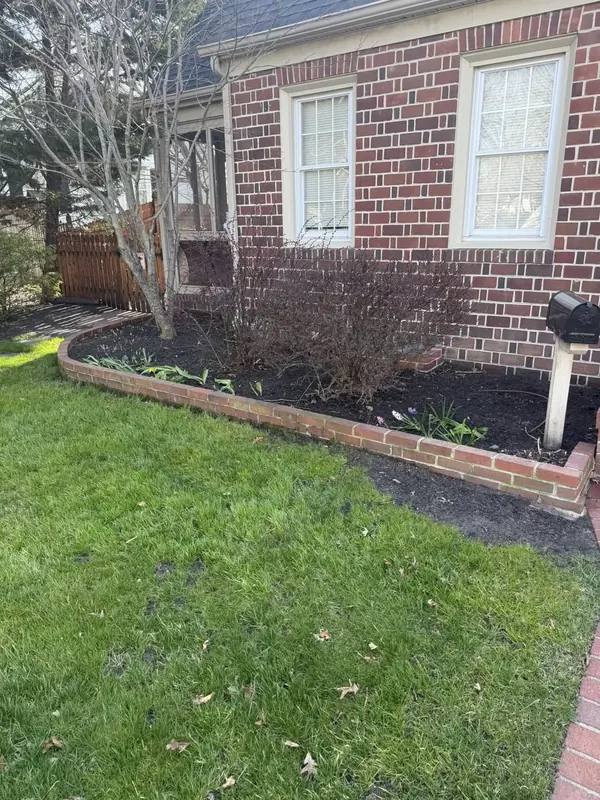
By October, many Atlantic County landscape beds look ready for one final cleanup. Summer flowers have faded, stems are leaning over bed edges, leaves are collecting around plants, and homeowners want the property neat before winter. Cutting everything to the ground may look efficient, but it is not the best approach for every perennial. Some plants are easier to manage after their foliage dies back, while others are better left standing because their stems protect the crown, their seed heads feed birds, or their identity is easier to confirm in spring. The right fall cleanup is selective: remove material that is diseased, broken, blocking access, or likely to become a wet mat, then leave useful structure where it is not causing a problem.
Should Every Perennial Be Cut Back in Fall?
No. Perennials do not all respond to fall cleanup the same way. Plants that collapse into soft, damaged foliage may benefit from being cleared once they are finished for the season. Sturdy stems and seed heads can often remain until late winter or early spring, especially when they are upright, healthy, and not blocking a walkway. The condition of the plant matters more than whether the rest of the bed is being cleaned. In Egg Harbor City, Galloway, Mays Landing, Northfield, and shore communities, a mild stretch can keep some plants green well into fall. Cutting healthy growth only because the calendar says October can remove foliage the roots are still using. Wait for the plant to decline naturally unless there is a clear maintenance or safety reason to act sooner.
Which Perennials Are Good Candidates for Fall Cleanup?
Start with plants whose leaves and stems have turned brown, flattened onto the soil, or become damaged by disease. Soft foliage that collapses around the crown can trap wet leaves and make spring cleanup harder. Flower stalks that lean into a driveway, sidewalk, gate, or mowing route can also be shortened after they have finished blooming. Remove annuals that are finished for the year instead of leaving their roots and stems mixed through the perennial bed. The goal is not to make every plant the same height. It is to clear material that no longer helps the plant or the property while keeping healthy, identifiable growth in place.
- Remove dead or collapsed foliage that is covering the crown or lying in a wet mat.
- Cut damaged stems that are broken, diseased, or blocking steps, walks, gates, and bed edges.
- Pull finished annuals and weeds before their remains disappear under fallen leaves.
- Clear loose plant material away from siding, vents, utility access, and drainage routes.
- Bag or separate visibly diseased material instead of spreading it through another bed.
Which Perennials Should Usually Stay Standing Until Spring?
Leave plants standing when their stems remain firm, their seed heads are useful to birds, or their dried structure still looks intentional. Coneflowers, black-eyed Susans, sedum, and some other sturdy perennials can provide winter texture without creating a maintenance problem. Hollow stems and standing plant material may also shelter insects through cold weather. That does not mean an entire bed must remain untouched. You can remove fallen leaves, weeds, litter, and broken stems while preserving selected plants. Keep anything that is leaning safely inside the bed and is not rubbing against the house, covering a vent, or blocking access. Mark unfamiliar plants before winter so they are not mistaken for weeds when growth returns.
How Can You Tell a Perennial From a Shrub or Annual?
Check the base before cutting. A perennial usually has softer stems that die back toward a crown at or near soil level, while a shrub keeps woody branches above ground from year to year. An annual completes its life cycle in one season and does not return from the same crown. The distinction matters because cutting woody stems to the ground can permanently damage a shrub, and pulling a dormant perennial can remove a plant that would have returned in spring. If plant labels are gone, look at photos from the growing season, compare the stems and branching pattern, and flag anything uncertain. Hydrangeas and other flowering shrubs need special care because different types bloom on different wood. Do not include them in a general perennial cutback unless the plant has been positively identified.
Should You Wait for Frost Before Cutting Plants Back?
Often, yes. A light frost helps signal the end of active top growth for many tender plants and makes it easier to see what has truly finished for the year. Atlantic County does not receive the same first frost everywhere on the same night. An open yard outside Egg Harbor City can cool differently from a protected bed near the house or a property closer to the shore. Use the plant's condition along with the forecast. If foliage is still green and healthy, let it continue working. If it has blackened, collapsed, or turned fully brown, selective cleanup can begin once the bed is dry enough to work without compacting the soil. There is no need to finish every bed immediately after the first cold night.
How Low Should Perennials Be Cut in Fall?
Do not scrape the plant flat to the soil. For perennials that are appropriate to cut back, leave a short section of stem so the crown remains visible and protected and so you can find the plant during early spring cleanup. Use clean, sharp hand pruners and gather stems as you work instead of leaving chopped material scattered through the bed. Avoid pulling hard on dead top growth because that can loosen shallow roots or lift the crown in soft soil. If a plant has a dense clump, cut a few stems at a time and watch for new basal growth near the center. Stop above any green shoots rather than cutting through them for the sake of a uniform finish.
- Use sharp bypass pruners for ordinary stems and clean the blades before moving from diseased material.
- Wear gloves and eye protection around sharp seed heads, stiff grasses, and thorny neighboring plants.
- Keep a visible stem marker instead of cutting an identified perennial flush with the soil.
- Do not yank stems from wet ground or walk repeatedly through a soft, saturated bed.
- Separate plant debris from plastic edging, wire, landscape fabric, tags, and household litter.
Should Ornamental Grasses Be Cut Back in Fall?
Many ornamental grasses can remain standing through winter when the clump is stable and located away from traffic. Their seed heads and upright blades add structure after flowering plants fade, and the old growth can help shield the center of the plant. Cut them back sooner when the blades have collapsed across a walkway, are blocking visibility, or are breaking loose and blowing around the property. Atlantic County coastal wind can turn a weak clump into scattered debris, especially on open lots. When grasses are left for winter, tie or contain loose blades if needed and schedule the cutback before new spring growth rises through the old stems. Wear gloves and long sleeves because dry grass edges can be sharp.
How Should Leaves, Weeds, and Mulch Be Handled Around Perennials?
Remove thick, wet leaf piles that bury low plants, cover the crown, or block air movement through the bed. A small amount of clean leaf material can remain where it is loose and not causing a problem, but a packed layer beside the house or over drainage paths should be reduced. Pull visible weeds before adding mulch, because fresh mulch will not reliably stop established roots. Then measure the existing layer. Most beds do not need another full application every fall. Rake matted material, expose buried plant crowns and tree flares, and keep mulch away from stems, siding, vents, and door thresholds. On sloped or sandy Atlantic County properties, also check where roof runoff and heavy rain are moving the mulch before covering the evidence with new material.
What Affects the Scope of a Fall Perennial-Bed Cleanup?
Bed size is only one factor. Plant density, identification, disease, access, leaf volume, overgrown shrubs, ornamental grasses, buried edging, and mixed brush or junk can all change the work. A narrow bed against a Northfield home may require careful hand cleanup around windows and utilities, while an open Egg Harbor City property may involve longer bed lines and more material to remove. The job also grows when vines have entered shrubs, weeds have gone to seed, or old mulch has built up above the lawn. A walkthrough makes it possible to separate routine perennial cleanup from shrub pruning, brush removal, drainage concerns, and work that should wait until spring.
How Can Tree Frog Help With Fall Landscape-Bed Cleanup?
Tree Frog Lawn & Landscape provides landscaping, lawn maintenance, mulch, core aeration and overseeding, and tree, brush, junk, and yard-debris removal from its Egg Harbor City base throughout Atlantic County. We can clear finished plant material, leaves, weeds, and mixed debris while preserving perennials and shrubs that should remain standing. Our team is licensed and insured. Call (609) 369-4314 or use the quote form for a free estimate within 24 hours.
Related from Tree Frog
Ready to Make Your Yard Look Amazing?
Fill out the 60-second quote form and we'll send you a free, no-pressure estimate within 24 hours.