Why Should You Clear Fence Lines Before Winter in Atlantic County, NJ?
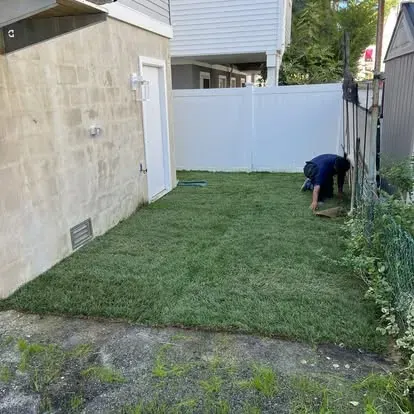
Fence lines are easy to overlook during regular yard work. Mowers stop short of the posts, leaves catch in the wire or boards, vines grow through both sides, and branches or old outdoor items get placed where they are out of the way. By late November, that narrow strip may be holding several seasons of material. Around Egg Harbor City, Galloway, Egg Harbor Township, Mays Landing, Northfield, and other Atlantic County communities, winter wind and rain can move loose debris while wet leaves settle into a heavy mat. A final fence-line walkthrough before winter makes the area easier to see, keeps gates and service routes usable, and shows whether the cleanup is ordinary leaf and brush removal or a larger repair or drainage issue.
Why Should Fence Lines Be Checked Before Winter?
The main reason is visibility. Once leaves, vines, and loose branches cover the bottom of a fence, it becomes harder to see broken wire, loose boards, leaning posts, low spots, holes, buried edging, or items left in the grass. Winter does not correct those conditions. Wind can spread lightweight material, rain can push leaves into drainage routes, and snow can hide the entire strip until spring. Clearing the surface now does not mean cutting every plant or replacing the fence. It means exposing enough of the boundary to walk it safely, identify what belongs there, and remove material that will be harder to handle after months of wet weather.
What Usually Collects Along an Atlantic County Fence?
The mix depends on the property. A wooded lot near Egg Harbor City may receive leaves, pine needles, cones, sticks, and volunteer saplings. A smaller yard in Northfield or Absecon may collect grass clippings, weeds, toys, pots, hoses, or leftover landscape material in a narrow side passage. Chain-link fences catch vines and windblown litter, while solid vinyl or wood fences can create calm pockets where leaves stack deeply. Start by sorting the strip into plant material, reusable items, ordinary junk, and anything sharp or unknown. Do not run a mower or string trimmer through a covered area until the hidden material has been removed by hand.
- Fallen leaves, pine needles, cones, twigs, and small branches caught against the fence.
- Vines, tall weeds, volunteer saplings, and brush growing through or around posts and panels.
- Old pots, hoses, toys, landscape fabric, edging, wire, and unused yard materials.
- Storm-blown litter, plastic, metal, glass, or treated wood that should be separated from yard waste.
- Mulch and soil moved by runoff into low sections, gates, or the downhill side of the property.
How Can Heavy Leaf and Brush Buildup Affect the Yard?
A thick layer can cover grass, flatten low plants, and keep the ground hidden long after the open lawn has dried. The material may also block the narrow path used to reach a gate, shed, meter, utility panel, or backyard. Vines and woody growth can make it difficult to inspect both sides of the fence or tell whether a post is leaning. In low areas, a packed row of leaves can slow surface water or send it around a different route during heavy rain. Cleanup will not repair poor grading or a damaged fence, but it removes the cover that keeps those problems out of sight. After the strip is open, you can watch where water moves and decide what needs separate attention.
What Should Be Removed From the Fence Line Now?
Remove anything loose, wet, tangled, unsafe, or clearly out of place. Start with litter, sharp objects, fallen limbs, and items blocking gates or walking routes. Gather heavy leaf mats instead of blowing them farther into a wooded edge or neighboring property. Cut small weeds and manageable brush at a controlled height only after checking for wire, rocks, irrigation parts, and other hidden obstacles. Separate clean vegetation from junk so each can be handled correctly. If a branch is hanging, under tension, touching a utility line, or too large to control from the ground, keep the area clear and use the appropriate tree or utility professional rather than treating it as ordinary fence-line debris.
- Open every gate fully and remove material that catches under it or blocks the latch.
- Clear leaves and debris away from drain openings, swales, downspout outlets, and visible low areas.
- Remove vines or brush that block safe access, while protecting intentional shrubs and screening plants.
- Pick up loose wire, broken plastic, glass, metal, and other material before powered equipment enters the area.
- Move usable items to a dry, organized storage location instead of returning them to the fence line.
What Can Stay Along a Fence Through Winter?
Not every natural edge needs to be stripped bare. Healthy shrubs, intentional privacy plantings, stable ground cover, and established trees may be part of the landscape and should be marked before work begins. A light scattering of clean leaves can remain where it is loose, away from structures, and not covering turf, drains, plant crowns, or access routes. The goal is a controlled edge, not exposed soil. Keep plants that have a clear purpose and enough room to grow without forcing the fence out of position. If the identity of a plant or the condition of a tree is uncertain, leave it in place until it can be evaluated rather than making a permanent decision during a general cleanup.
How Can You Clear a Fence Line Safely?
Walk the entire boundary in daylight before using cutting equipment. Check both the ground and the fence itself. Mark holes, stumps, irrigation heads, landscape lights, cables, low wires, sharp fence ends, and loose panels. Wear gloves, eye protection, long sleeves, and sturdy footwear. Work from an open section toward the denser area so there is always a clear exit and a firm place for sorted piles. Avoid pulling a vine hard when you cannot see where it is rooted or what it is wrapped around. On chain-link fencing, wire can be hidden inside growth and can catch a trimmer. Near wood or vinyl panels, careless tools can damage the surface even when the vegetation is small.
- Keep children, pets, vehicles, and bystanders away from the cutting and loading area.
- Use hand tools around fence fabric, posts, utilities, and hidden edging until the ground is fully visible.
- Make small, stable piles that do not block a sidewalk, driveway, road view, or emergency access.
- Stop around leaning trees, split trunks, hanging limbs, power lines, or material too heavy to control safely.
- Confirm current local yard-waste rules before placing branches or bags at the curb.
How Should Narrow Side Yards Be Handled?
Narrow passages between a house and fence need slower work because there is little room to turn, stack material, or protect siding and outdoor equipment. Move hoses, tools, trash containers, and loose items out first. Keep vents, meters, air-conditioning equipment, doors, and hose connections accessible. Carry debris to a firm staging area instead of building a pile that traps workers at the far end. If the ground is wet, reduce repeated wheelbarrow trips that could rut the soil or damage thin grass. Check whether roof runoff or a downspout enters the passage. A clean strip should make that water path easier to observe, not hide it under new mulch, soil, or stored items.
How Can You Protect the Lawn and Fence During Cleanup?
Wait for saturated soil to firm before bringing repeated traffic or heavy loads across the lawn. Carry branches rather than dragging their cut ends over turf, and use a tarp only for loads light enough to control. Keep equipment turns wide and avoid spinning wheels near posts or newly seeded grass. Do not lean heavy piles against fence panels, because the weight can make an existing problem worse and prevent the material from drying. After vines are removed, inspect the fence instead of assuming every loose section was caused by vegetation. Repair decisions should follow the actual condition of the posts, fasteners, and panels. Tree Frog can clear the accessible yard material, but structural fence or utility repairs should be handled as their own work.
What Should You Inspect After the Area Is Clear?
Walk the same route again once the debris is gone. Open and close each gate, look for exposed holes or trip hazards, and check whether the ground slopes toward a drain, a neighboring property, or the house. Note low sections that remain wet after the open lawn dries. Look for lawn edges that can be simplified so regular mowing or trimming reaches them next season. Photograph fence damage and drainage concerns while they are visible. During the next normal rain, watch the cleared strip from a safe location. If water still stands, cuts a channel, or runs toward a structure, the property may need a separate drainage or grading plan rather than another round of surface cleanup.
What Affects the Scope of a Fence-Line Cleanup?
Length is only one factor. Fence type, access, slope, soil moisture, plant density, branch size, hidden junk, disposal volume, and whether both sides can be reached all change the job. A short Northfield side yard filled with vines and mixed debris may require more hand work than a long, open boundary outside Egg Harbor City. The scope also grows when brush has entered intentional shrubs, when gates no longer open, or when debris must be carried through the house-side passage to the truck. A walkthrough separates routine leaves and weeds from larger brush removal, tree hazards, structural fence work, and drainage problems before the cleanup begins.
How Can Tree Frog Help Clear Fence Lines Before Winter?
Tree Frog Lawn & Landscape provides lawn maintenance, landscaping, mulch, and tree, brush, junk, and yard-debris removal from its Egg Harbor City base throughout Atlantic County. We can clear accessible leaves and brush, sort mixed debris, reopen gates and maintenance routes, and leave the boundary visible for winter inspection. Our team is licensed and insured. Call (609) 369-4314 or use the quote form for a free estimate within 24 hours.
Related from Tree Frog
Ready to Make Your Yard Look Amazing?
Fill out the 60-second quote form and we'll send you a free, no-pressure estimate within 24 hours.